Best practices for water damage restoration after a leak
Everything About Water Damages Reconstruction: Secret Realities and Benefits You Need To Know
Water damages reconstruction is a vital process that every property owner ought to understand. It includes evaluating the type of damage, whether tidy, gray, or black water, and executing an organized remediation technique. Identifying the signs of water damage early can significantly influence the effectiveness of the remediation. Recognizing the actions involved and the relevance of prompt activity can avoid further issues. What factors should home owners think about when determining in between professional services and DIY methods?
Understanding Water Damages: Types and Creates
What factors add to water damages, and just how can they be classified? Water damage can be classified right into 3 main classifications: clean water, grey water, and black water. Tidy water stems from resources like broken pipelines or rainwater, posing very little health and wellness risks. Gray water, which may originate from devices like dishwashing machines or washing equipments, has impurities that require careful handling. Black water, stemming from sewage or flooding, poses major wellness hazards and needs immediate attention.
The sources of water damages vary. Usual aspects include plumbing failures, roofing leaks, all-natural catastrophes, and poor water drainage systems. Additionally, human errors, such as leaving faucets stopping working or running to keep appliances, can intensify the trouble. Recognizing these kinds and creates is vital for effective prevention and remediation techniques, making certain that residential or commercial property owners can take positive steps to guard their homes against the detrimental effects of water damages.
Indications of Water Damages: How to Determine Problems Early
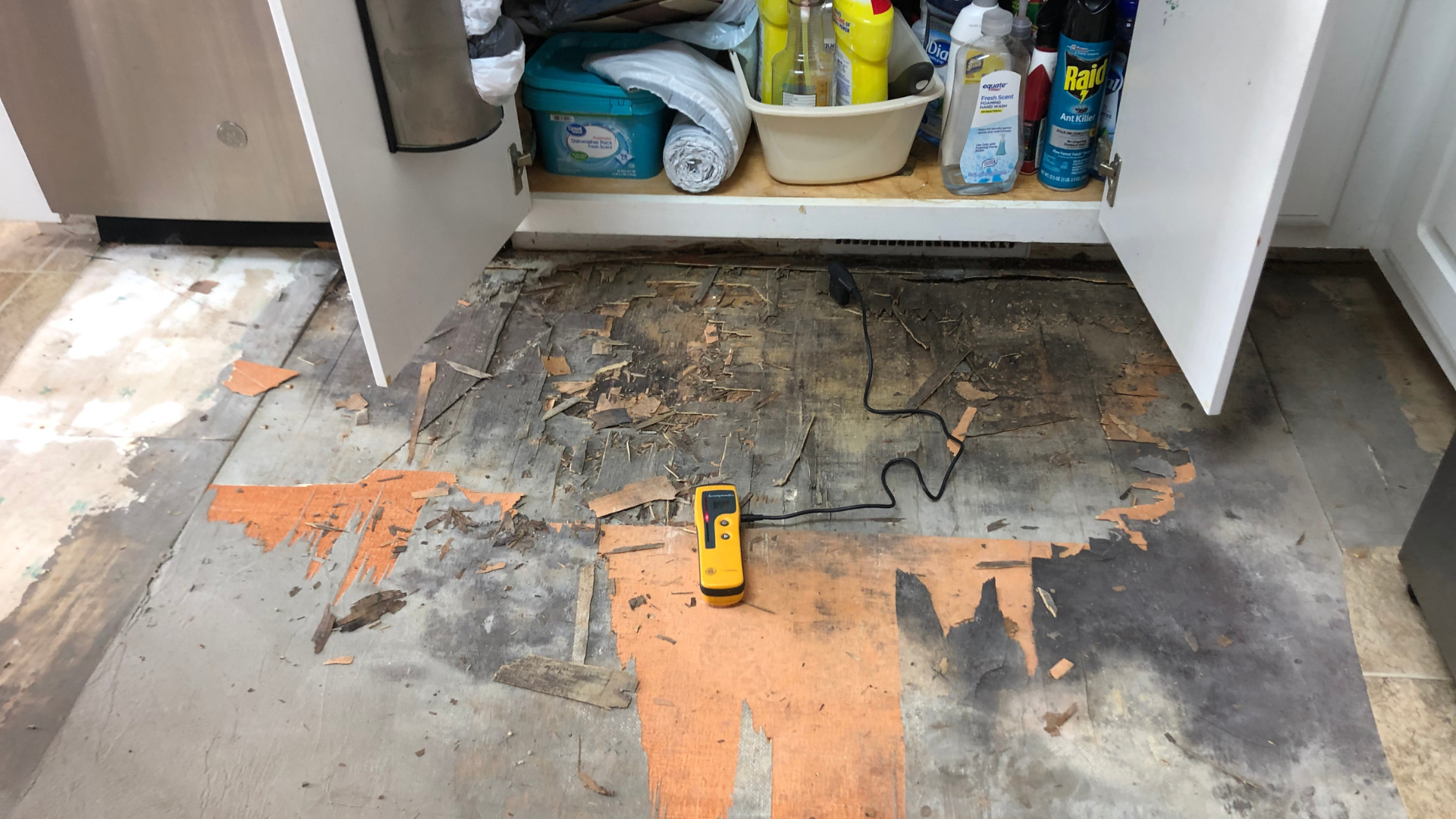
Just how can one discover the early signs of water damages prior to it escalates into a much more severe problem? Determining these concerns immediately can conserve property owners from extensive repairs. Usual indications consist of noticeable water stains on ceilings or wall surfaces, which often look like yellow-colored or brownish spots. One more indicator is bubbling or peeling off paint and wallpaper, suggesting wetness underneath the surface. Mildewy smells can additionally symbolize covert mold development, a straight outcome of long term dampness. Furthermore, bending or buckling of floorings might indicate excess wetness in the underlying structures. Home owners must frequently evaluate areas vulnerable to water direct exposure, such as kitchen areas, washrooms, and basements, for any type of indications of leakage or dampness. A sudden rise in energy bills may hint at undiscovered leaks. By acknowledging these very early signs, individuals can take proactive actions to deal with water damage before it worsens.
The Water Damages Remediation Process: Step-by-Step
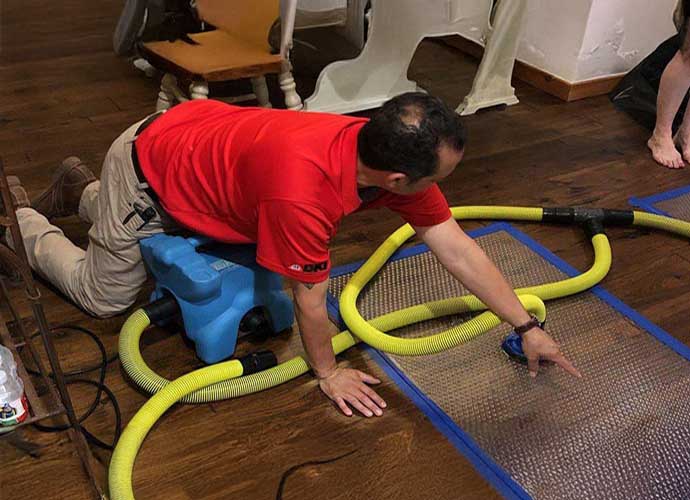
Next, the drying process starts, making use of air moving companies and dehumidifiers to remove wetness from wall surfaces, floorings, and individual belongings. After the area is extensively dried, cleaning and sanitization happen to remove odors and pollutants.
Lastly, repairs and restoration job is performed, which may include replacing damaged products, repainting, or refinishing surface areas. water damage restoration. Throughout the process, documents is preserved for insurance objectives, making sure that all activities taken are videotaped. Each step is important to restore the home and ensure a risk-free living setting for passengers
Significance of Timely Reconstruction: Why Acting Fast Matters
Timely repair following water damage is important, as delays can bring about escalating concerns such as mold development and architectural wear and tear. Water can swiftly seep into porous materials, developing an excellent atmosphere for mold spores to thrive. Within 24-48 hours, mold and mildew can begin to create, presenting health and wellness dangers and additional complicating repair efforts.

Furthermore, long term direct exposure to moisture can deteriorate the architectural stability of buildings, bring about pricey fixings and potential safety hazards. Performing fast not just lessens damage yet additionally lowers the general expense of restoration. Insurer usually prefer prompt activity, which can promote smoother claims processes and quicker financial healing for homeowner.
Inevitably, prioritizing prompt reconstruction protects building value, improves security, and promotes a healthier living atmosphere. For these factors, speedy activity is crucial in the aftermath of water damage, underscoring the relevance of attending to concerns as soon as they develop.
Professional vs. DIY Repair: Disadvantages and pros
When considering water damages remediation, homeowners commonly consider the view publisher site choices of specialist services versus do it yourself techniques. Price factors to consider play a considerable function, as expert reconstruction can be more costly but may provide exceptional experience and specific equipment. Each alternative has its benefits and drawbacks, affecting both the efficiency and performance of the reconstruction process.
Cost Factors to consider
While property owners might think about both professional services and do it yourself techniques for water damages restoration, each choice offers distinctive financial implications and benefits. Professional remediation solutions frequently include higher ahead of time expenses as a result of competence, labor, and tools. However, they can expedite the restoration process, potentially reducing further damage and associated prices. On the other hand, DIY repair might appear a lot more economical at first, as it normally entails lower direct costs. Yet, home owners should factor in the possibility for errors, which could bring about a lot more comprehensive damages and greater lasting prices. Eventually, the selection in between professional and DIY remediation depends upon the home owner's budget plan, the seriousness of the damages, and their willingness visit our website to invest time and effort right into the restoration procedure.
Proficiency and Devices
A notable distinction in between specialist and DIY water damages repair lies in the knowledge and devices readily available for every strategy. Experts possess specialized training and experience, allowing them to examine damages properly and execute efficient reconstruction techniques. They make use of advanced devices, such as industrial-grade dehumidifiers and wetness detection tools, which can substantially quicken the drying out process and protect against additional issues like mold and mildew development. On the other hand, do it yourself remediation often counts on fundamental household tools and methods, which might be much less efficient and can result in insufficient fixings. While do it yourself can conserve cash, it also lugs risks, including possible health hazards and extensive see here damages if not performed properly. Ultimately, choosing between professional services and do it yourself techniques relies on the seriousness of the damages and the home owner's capacities.
Advanced Techniques in Water Damages Repair
Water damages remediation has typically depended on basic methods, advanced strategies are currently changing the sector. Advancements such as thermal imaging technology enable repair professionals to identify surprise moisture behind wall surfaces and under floors, ensuring complete drying out procedures. Additionally, using high-capacity dehumidifiers speeds up wetness elimination, significantly lowering the risk of mold and mildew growth.
One more development is the execution of antimicrobial therapies, which prevent mold and mildew and bacteria growth, securing the health and wellness of residents. Progressed drying devices, including air moving companies and specialized drying floor coverings, boosts air flow and promotes quicker dissipation of wetness.
In addition, real-time monitoring systems currently offer constant analyses of moisture levels, optimizing and enabling timely treatments reconstruction efforts. These improvements not only improve the effectiveness of water damages remediation but also contribute to better outcomes for properties, lessening long-lasting damage and expenses associated with water-related events.
Preventing Future Water Damages: Tips for Homeowners
To stop future water damage, home owners should adopt aggressive measures that address potential susceptabilities in their residential or commercial properties. Normal maintenance of gutters, roofs, and downspouts is essential; making sure these are clear of debris can stop water buildup. Home owners need to likewise evaluate pipes systems for leakages and replace damaged pipes quickly. Installing sump pumps in basements can ward off flooding throughout hefty rainfalls, while utilizing water alarm systems can give early detection of leaks.
In addition, securing doors and windows assists avoid rainfall breach. Landscape design should guide water away from the structure, employing proper grading and drain solutions. Property owners might additionally think about waterproofing basements and crawl rooms to more minimize risks. Inevitably, keeping an upgraded stock of home things can help in insurance policy cases must damage take place. By executing these methods, home owners can meaningfully decrease the likelihood of water damages and secure their investments.
Often Asked Inquiries
Just How Much Does Water Damage Reconstruction Typically Price?
Water damages restoration usually sets you back in between $1,000 and $5,000, depending upon the level of the damage, the sort of products affected, and the location. Facility situations may exceed this array significantly, calling for professional analysis.
Will My Insurance Cover Water Damage Reconstruction Costs?
Insurance policy coverage for water damages repair varies by policy and circumstances. Typically, property owners' insurance coverage might cover damages from abrupt incidents, however exclusions may apply. It is recommended to review the policy details or talk to an insurance policy agent.
Exactly how Lengthy Does the Reconstruction Process Typically Take?
What Should I Do Instantly After Uncovering Water Damages?
Upon discovering water damage, one must promptly shut off the water source, remove important products from the afflicted location, and warranty proper ventilation. Looking for professional aid is important for effective damage control and reconstruction.
Exist Certain Materials That Are Resistant to Water Damage?
Specific materials, such as cured wood, concrete, and fiberglass, display greater resistance to water damage. Furthermore, synthetic materials and water resistant finishes improve durability, supplying efficient security versus wetness and possible wear and tear in time.
Water damages can be classified right into 3 major categories: clean water, grey water, and black water. When thinking about water damage repair, house owners often consider the options of specialist services versus DIY approaches. While property owners may consider both expert solutions and DIY strategies for water damage restoration, each choice offers distinct monetary implications and benefits. Water damages restoration usually sets you back between $1,000 and $5,000, depending on the extent of the damages, the type of products impacted, and the location. Upon finding water damages, one need to quickly turn off the water resource, remove useful things from the damaged area, and warranty appropriate air flow.